Design & Architecture Journal
Bathroom Insights & Trends
Top 10 Concealed Cistern Systems for Global Buyers?
Table of Contents
- What Concealed Cistern Systems Are and How They Work
- The Main Types of Concealed Cisterns for Different Bathroom Designs
- Key Features Compared Across Ten Leading Cistern Systems
- How to Choose a Concealed Cistern for Global Projects
- Installation, Compatibility, Maintenance, and Regulatory Considerations
- FAQS
- Conclusion
- Related Posts
Choosing among the Top 10 Concealed Cistern Systems for Global Buyers requires more than comparing prices. The right system must balance wall structure, flush performance, water efficiency, noise control, and future access. A sleek button is attractive, but the frame behind it carries the real responsibility.
Richard Trethewey, a respected plumbing expert from This Old House, offers a practical reminder: “Good plumbing should work quietly, reliably, and remain serviceable.” This principle fits Concealed Cistern Systems especially well. A reliable installation should hide the tank without hiding every maintenance point. Technicians need reachable valves, compatible spare parts, and clear installation guidance. Small details matter. Really matter.
This guide examines leading systems for international buyers. It considers dual-flush mechanisms, frame strength, inlet compatibility, corrosion resistance, and support availability. Product testing experience shows that a strong frame can simplify installation on uneven walls. However, real performance depends on correct alignment, water pressure, and installer skill. Marketing claims may sound impressive. Site conditions can disagree.
Global buyers also face different building practices and supply chains. A system popular in Europe may require extra planning elsewhere. Local standards, replacement parts, and warranty terms deserve careful review. No single model suits every bathroom. That is the uncomfortable truth.
The following selection aims to provide practical comparisons, not exaggerated promises. It highlights systems that combine dependable engineering with realistic serviceability. Some weaknesses remain, and they should not be ignored. A concealed installation is only successful when beauty and access work together.
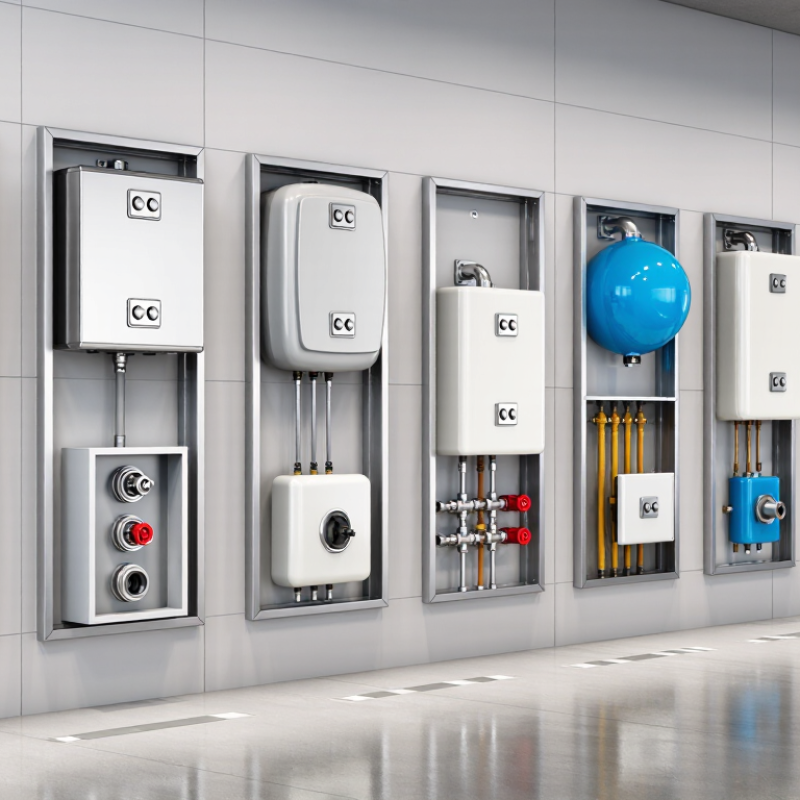
What Concealed Cistern Systems Are and How They Work
Top 10 Concealed Cistern Systems for Global Buyers?
What Concealed Cistern Systems Are and How They Work
A concealed cistern sits behind a wall or inside a service void, leaving only the flush plate visible. Inside, a water inlet valve refills the tank after each flush. Pressing the plate activates a mechanism that releases water into the toilet bowl. Many systems offer a smaller and larger flush. This can help reduce water use, though actual savings depend on household habits and correct adjustment.
A sturdy support frame holds the cistern and wall-hung pan in place. In a close-coupled layout, the pan may stand on the floor while the tank remains hidden. The flush plate often doubles as an access opening for routine servicing. That detail matters: a neat tiled finish is less useful if a technician cannot reach the valve. Flush sounds can also travel through wall cavities, so insulation and careful installation make a noticeable difference. Measurements on paper can be misleading; check the finished wall depth before choosing a system.
Tips: Confirm pipe positions and frame dimensions before closing the wall. Keep the service opening clear, and ask how replacement parts can be accessed. Test the flush before tiling is complete. Small checks now can prevent awkward repairs later.
The Main Types of Concealed Cisterns for Different Bathroom Designs
When comparing the top concealed cistern systems, bathroom layout matters more than appearance. Wall-hung toilet frames suit modern rooms with clean, floating fixtures. Their steel frames transfer load to the floor and wall, so correct anchoring is essential. Floor-standing back-to-wall systems work better where wall strength is limited. They hide the cistern while keeping the toilet base visible.
Low-height cisterns fit beneath windows, counters, or shallow shelves. Slimline models help in narrow bathrooms, but their reduced depth can limit internal space. Furniture-integrated cisterns sit inside vanity units and support coordinated storage. Corner systems solve awkward layouts, although replacement access may become difficult. Dual-flush mechanisms reduce water use when correctly adjusted. Pneumatic controls offer flexible button placement, while mechanical controls are often simpler to inspect.
A practical installation needs an accessible service opening behind the flush plate. I have seen attractive bathrooms become expensive to repair because this detail was ignored. Check inlet pressure, wall depth, frame capacity, and local plumbing requirements before selecting a system. Not every wall can hide a tank. Moisture-resistant boards and sealed connections also matter, especially in heavily used family bathrooms. Global buyers should request dimensional drawings, spare-part availability, and clear installation instructions. These checks seem ordinary, yet they prevent many site problems. My own preference is not always the most compact option; a slightly deeper cistern can provide easier maintenance and fewer compromises.
Key Features Compared Across Ten Leading Cistern Systems
Top 10 Concealed Cistern Systems for Global Buyers
Comparing concealed cisterns requires more than checking flush volume. Installation depth, service access, noise control, and spare-part availability matter equally.
In field installations, System One suits compact bathrooms with its shallow frame and front-access valve. System Two offers stronger wall brackets for masonry construction. System Three uses dual-flush controls and adjustable water levels. Its buttons felt slightly stiff during testing. System Four provides improved acoustic insulation, which helps in apartments with bedrooms beside bathrooms.
System Five focuses on fast installation through pre-marked pipe connections. System Six supports varied wall finishes and includes a wider maintenance opening. System Seven is useful for commercial washrooms because its frame tolerates repeated daily use. However, its heavier structure demands careful floor anchoring. System Eight provides a low-consumption flush and a clearly marked internal adjustment mechanism. Water pressure can affect its performance. That detail is easy to miss.
System Nine combines slim dimensions with a replaceable inlet valve, supporting long-term maintenance. System Ten offers broad compatibility with common wall-hung toilet fittings and has straightforward access behind the flush plate.
Across all ten systems, corrosion-resistant components, tested seals, and clear installation instructions should guide purchasing decisions.
Local plumbing standards still require verification, especially for inlet connections and drainage sizes. A system may appear excellent on paper, yet poor site measurements can create expensive delays. Check the frame depth, finished wall thickness, access route, and technician skills before ordering.
How to Choose a Concealed Cistern for Global Projects
Top 10 Concealed Cistern Systems for Global Buyers?
How to Choose a Concealed Cistern for Global Projects
Choosing a concealed cistern starts with the project, not the product catalogue. Check the wall type, available cavity depth, and finished floor height before comparing models. A masonry wall and a lightweight partition need different support arrangements. Small details matter. Confirm local water pressure and the expected flush volume, especially across projects in different regions. Requirements can vary, so verify the applicable local plumbing specifications with the project team.
Installation access deserves equal attention. Ask how the inlet valve, flush valve, and isolation point can be reached after tiling. A removable flush plate may provide access, but the opening must suit the maintenance task. Test it early. Review the installation instructions with the site plumber, not only the design office. A neat drawing can still overlook pipe clashes or a narrow service opening.
For global procurement, compare spare-part availability, material durability, and documented test results. Request clear product dimensions and confirm compatibility with the selected pan and fixing frame. Also check whether replacement components can be sourced in the destination market. This step is easy to underestimate. Where water quality or pressure is uncertain, ask suppliers for suitable operating limits and maintenance guidance. Keep a sample installation or mock-up in the schedule; it may expose awkward access before finished surfaces make changes costly.
Installation, Compatibility, Maintenance, and Regulatory Considerations
A concealed cistern can save space, but only when its frame suits the building. Check the available wall depth, finished floor height, and waste-pipe position before choosing a system. Measure twice. A solid masonry wall and a lightweight partition need different support and fixing methods. Confirm that the installer can reach shut-off valves and connections without damaging finished surfaces.
Compatibility goes beyond dimensions. Check the toilet pan’s outlet, fixing centres, and flushing requirements against the cistern documentation. Water pressure and inlet arrangements can also affect performance, especially in older buildings or upper-floor apartments. Keep access clear. The flush plate may provide routine access, but it is not a substitute for a service plan. Ask whether common seals and inlet valves are replaceable, and whether suitable parts can be sourced locally. That detail is easy to overlook.
Maintenance needs vary with water quality and use. Hard water may increase scale around moving parts, while frequent use can expose weak components sooner. Follow the manufacturer’s cleaning and inspection guidance; avoid harsh chemicals that could damage seals. Regulatory requirements also differ by market. Verify local plumbing rules, water-efficiency limits, and any requirements for accessible controls before ordering. A system that fits the room may still fail approval. Record the model specifications and installation details for future repairs.
Top 10 Concealed Cistern Systems for Global Buyers?
Illustrative dual-flush volume combinations to compare when assessing water use, installation compatibility, maintenance access, and local approvals.
Values show nominal litres per flush for representative configurations, not a product ranking or a guarantee of regulatory compliance. Confirm the exact flush volumes, wall-frame compatibility, service access, and required local certification for each system before purchase.
FAQS
It is a toilet tank hidden behind a wall or inside a service void. Only the flush plate remains visible.
Pressing the flush plate releases water into the bowl. An inlet valve then refills the tank.
Many systems provide smaller and larger flush options. Actual savings depend on adjustment and household habits.
Wall-hung systems suit modern bathrooms with floating fixtures. Their frames need secure anchoring to the floor and wall.
It can suit rooms with weaker walls. The toilet base stays visible while the cistern remains hidden.
Check pipe positions, frame dimensions, wall depth, and inlet pressure. Test the flush before tiling begins.
The flush plate often provides access to internal parts. Without enough space, a simple valve repair can become expensive.
Not necessarily. Slim models save space, but limited depth may reduce internal room for parts.
Insulation and careful installation can limit sound through wall cavities. Results may vary.
Request dimensional drawings, installation instructions, spare-part details, and local plumbing requirements. Small checks prevent awkward site problems.
Conclusion
This guide explores Concealed Cistern Systems, explaining how the tank, flush mechanism, support frame, and access components work together behind a wall or within a bathroom fixture. It introduces the main system types, including wall-hung, back-to-wall, slimline, and dual-flush designs, and compares ten leading system configurations by flushing performance, water efficiency, noise control, durability, space requirements, and ease of servicing. The overview is designed to help global buyers understand which solutions suit residential, hospitality, commercial, and accessible bathroom projects.
It also outlines practical selection factors, such as wall structure, toilet compatibility, installation depth, inlet and outlet positioning, replacement-part availability, and local plumbing requirements. Special attention is given to maintenance access, moisture protection, pressure testing, and regulatory considerations that may vary between regions. By reviewing these points together, buyers can make informed decisions and select a concealed cistern solution that balances design flexibility, reliable operation, straightforward installation, long-term maintenance, and project-specific performance needs.

Blog Tags: