QUEO Luxury Bathroom — Design Journal & Articles

Design & Architecture Journal

Bathroom Insights & Trends

0%

Choosing the right Thermostatic Shower Valves is a safety decision, not merely a style preference. A quality valve keeps water temperature stable when someone flushes a toilet or opens a nearby tap. That matters in real homes, where pressure changes can turn a comfortable shower into an uncomfortable surprise. The U.S. Consumer Product Safety Commission has repeatedly highlighted scald injuries as a household safety concern, especially for children and older adults. Thermostatic technology responds to temperature changes, while pressure-balancing valves mainly react to pressure fluctuations. The difference is easy to miss on a product page.

Start with measurable requirements. Check the valve’s flow rate, temperature range, inlet configuration, and minimum operating pressure. The U.S. EPA WaterSense Specification for Showerheads limits certified showerheads to 2.0 gallons per minute, but the valve must still match the system’s available pressure. More flow is not automatically better. It may create waste and reduce performance elsewhere. Look for recognized compliance, such as ASSE 1016 in North America or EN 1111 in relevant European applications. These standards support safer performance, but certification does not replace correct installation.

Installation experience reveals practical details. A concealed valve needs accurate pipe depth, accessible service planning, and compatible trim. A small error behind the wall can become expensive. Manufacturers’ technical sheets and independent test reports deserve more trust than vague marketing claims. Some products promise “constant temperature,” yet performance depends on supply conditions. That limitation should be stated clearly. No valve is perfect. This guide examines Thermostatic Shower Valves through safety, compatibility, maintenance, user comfort, and long-term value, helping you choose with evidence rather than appearance alone.
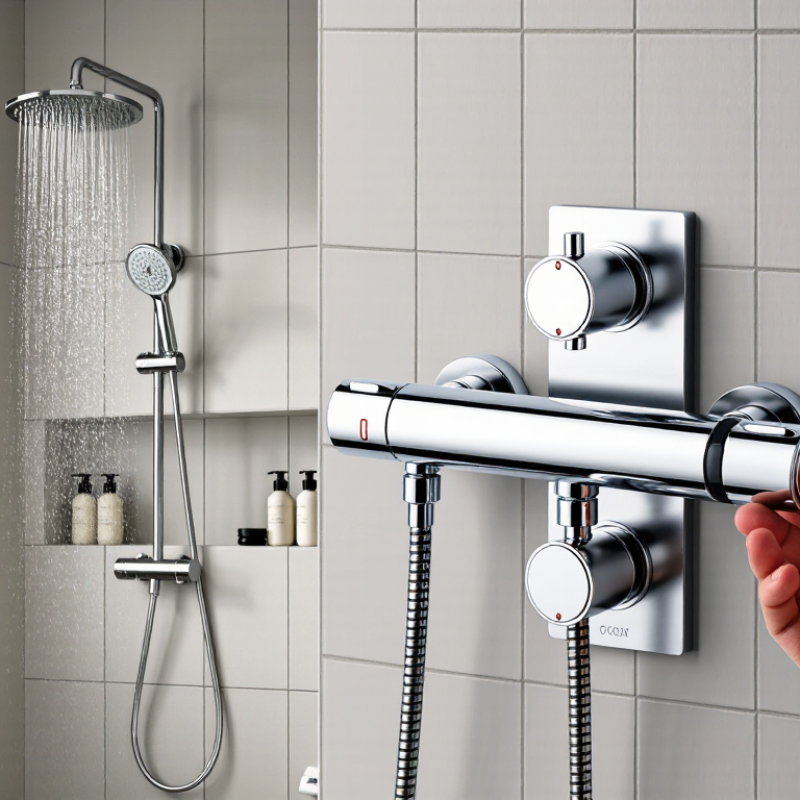
How to Choose Thermostatic Shower Valves for Your Needs

Understanding How Thermostatic Shower Valves Work

How to Choose Thermostatic Shower Valves for Your Needs

A thermostatic shower valve continuously senses mixed-water temperature. It adjusts hot and cold flow as supply conditions change. If someone flushes a toilet, the valve should reduce the temperature spike. If cold-water pressure fails, many compliant valves limit or stop hot flow. This differs from a pressure-balancing valve, which mainly responds to pressure changes. The ASSE 1016 standard covers performance requirements for individual thermostatic and pressure-balancing shower valves. Look for certification to the applicable local standard, not just attractive specifications.

Water heating represents about 18% of household energy use, according to the U.S. Department of Energy. Stable temperature can reduce repeated manual adjustments, although the valve alone cannot guarantee major savings. EPA WaterSense reports that efficient showerheads using no more than 2.0 gallons per minute can save an average family about 2,700 gallons yearly. Match the valve’s flow capacity with the showerhead, hand shower, and body sprays. Too many outlets can weaken performance.

Installation details matter. Place the temperature stop where children cannot easily change it, and test the outlet with a thermometer. A practical starting range is near 100–105°F, but household preferences vary. Hard water may affect sensors over time. I would not assume every “thermostatic” label means equal control. Check calibration instructions, maintenance access, and independent certification. A slight temperature delay may remain, especially in long pipes. That detail is easy to overlook.

Assessing Your Bathroom’s Plumbing and Installation Requirements

Before choosing a thermostatic shower valve, inspect the bathroom’s existing plumbing. Confirm separate hot and cold supplies, pipe diameter, and water pressure. A valve designed for one pressure range may perform poorly in another. Measure the pipes behind the wall, not only the visible connections.

Check whether your system uses a combi boiler, storage tank, or another heating arrangement. These systems can deliver different flow rates and temperature stability. Turn on nearby taps while testing the shower supply. Notice whether the water becomes weak or suddenly cold. This practical check often reveals problems that specifications miss.

Installation space matters as much as valve performance. Measure the wall cavity, finished tile depth, and distance between connections. Leave access for servicing when possible. A concealed valve may look clean, but repairs become difficult if the wall is sealed completely. I once assumed a standard fitting would match an older bathroom; it did not. The pipe centers were slightly different, creating unnecessary rework.

Use suitable isolation valves and confirm the direction of hot and cold inlets. Reversed connections can make temperature controls behave unpredictably. Follow local plumbing requirements, especially for maximum outlet temperature and backflow protection. When pressure is uneven or pipework is hidden, ask a qualified plumber to inspect it. A short professional check can prevent leaks, damaged finishes, and unsafe water temperatures. Test the finished installation slowly. Listen for vibration, check every joint, and allow the temperature to settle. Don’t rush this part.

Comparing Valve Types, Controls, and Temperature Settings

Choosing a thermostatic shower valve starts with how your household uses water. A thermostatic valve senses temperature changes and adjusts hot and cold flow automatically. It helps prevent a sudden cold blast when someone flushes a toilet. A pressure-balancing valve reacts mainly to pressure changes, not exact temperature changes. It usually costs less and suits simple bathrooms. However, temperature may drift when supply temperatures vary. In homes with children, older adults, or limited mobility, thermostatic control offers more stable protection. During bathroom inspections, I check whether the valve has a calibrated safety stop, usually near 38°C. The stop should be adjustable only by an adult. Good installation matters as much as the valve itself. A poorly balanced system can make a high-quality control feel disappointing.

Manual handles are familiar and easy to service. Separate controls can make flow and temperature adjustments more precise, especially with a handheld shower and overhead outlet. Digital controls offer clear displays and preset temperatures, but they need dependable power and careful maintenance. Ask whether the control remains usable during a power failure. That detail is easy to miss. Temperature settings should match real users, not showroom habits. I prefer a comfortable daily setting below the maximum limit, with a clear override for hotter water when needed. Never assume the factory setting suits every home. Water heaters, pipe length, and local safety requirements can change the result. I once treated a stable reading as proof of correct installation; later testing showed fluctuation at another outlet. Recheck it. Measure temperature while another tap runs, then test the shutoff and handle movement.

Selecting Safety, Durability, and Water-Saving Features

Choosing a thermostatic shower valve means balancing safety, lifespan, and water use. In a busy bathroom, temperature changes can happen when someone flushes a toilet. A reliable thermostatic cartridge reacts quickly and keeps the water comfortable. Look for an adjustable temperature stop, especially in homes with children or older adults. Set it carefully; extremely hot water can cause burns. Check the valve’s service access before installation, too. Repairs become frustrating when the wall must be opened.

Durability depends on internal materials, seals, and water quality. Hard water can leave scale around the cartridge, making control stiff over time. A removable filter helps, but it is not magic. Choose a valve with clear maintenance instructions and available replacement parts. Water-saving performance should feel steady, not weak. Flow regulators can reduce waste while preserving a practical spray. Measure your household’s pressure before buying. A valve designed for low pressure may disappoint in a strong supply, and the reverse can also happen.

Tips: Run the shower for one minute and observe temperature stability. Test the control with wet hands. Ask an experienced plumber to confirm pipe compatibility and installation depth. I once underestimated access space; that small mistake made cleaning the filter unnecessarily difficult. Leave room for maintenance, even if the finished wall looks neater without it.

Matching the Valve to Your Shower Design and Budget

Choose the valve around your shower’s layout, not only its finish. A thermostatic valve suits multi-outlet designs, such as an overhead shower, hand shower, and body sprays. It regulates temperature more steadily than a basic pressure-balancing valve. Look for a certified model meeting ASSE 1016 requirements, especially when children or older users share the bathroom.

Budget changes the decision. A concealed valve creates a clean wall, but installation needs accurate pipe positioning before tilework. That hidden labor can cost more than the valve itself. An exposed valve is easier to inspect and replace, although it may look less refined. The U.S. Environmental Protection Agency’s WaterSense data shows that efficient shower fittings use no more than 2.0 gallons per minute, potentially reducing shower water use by 20 percent. That saving may matter more than a decorative control plate.

Tip: Count outlets before buying. Check your home’s water pressure, pipe size, and boiler capacity. A valve with three outlets may perform poorly if the supply cannot feed them together. A recurring site lesson is simple: attractive controls cannot fix weak flow. Leave access to serviceable parts where possible. I would also reserve part of the budget for a qualified installer. Product prices are visible; correction costs are not. Some planning decisions feel minor until the wall is closed.

How to Choose Thermostatic Shower Valves for Your Needs

Matching the valve to your shower design and budget starts with understanding typical retail costs. Exposed valves are usually the most budget-friendly, while concealed and digital systems require higher installation and equipment budgets.

Indicative retail budget ranges in USD for residential thermostatic shower valve systems. Actual prices vary by region, finish, outlet configuration, installation requirements, and control features.

FAQS

What should I check before choosing a thermostatic shower valve?

Check the separate hot and cold supplies, pipe diameter, and water pressure. Measure pipes behind the wall, not just visible connections.

How can I test whether my water supply is reliable?

Run nearby taps while testing the shower. Watch for weak flow or a sudden temperature change. Small checks can reveal real problems.

Does my heating system affect valve performance?

Yes. Combi boilers and storage tanks can deliver different flow rates and temperature stability. Check whether your system can support the planned shower.

What measurements matter for a concealed valve?

Measure the wall cavity, tile depth, and distance between pipe connections. Leave service access if possible. A sealed wall can make repairs awkward.

What can happen if the hot and cold connections are reversed?

Temperature controls may behave unpredictably. Confirm inlet direction and use suitable isolation valves before finishing the installation.

Is a thermostatic valve suitable for several shower outlets?

It can suit an overhead shower, hand shower, and body sprays. But the supply must support their combined flow.

How do concealed and exposed valves differ?

Concealed valves create a cleaner wall but require precise pipe placement. Exposed valves are easier to inspect and replace, though less discreet.

How can I avoid spending more than expected?

Set aside money for installation and possible corrections. Hidden labor can exceed the valve’s price, especially after tiling.

What should I check after installation?

Test the system slowly. Listen for vibration, inspect every joint, and let the temperature settle. Rushing this step can leave issues unnoticed.

Conclusion

Choosing the right Thermostatic Shower Valves begins with understanding how they regulate water temperature and maintain a consistent flow, even when other fixtures are used. Before making a decision, assess your bathroom’s plumbing layout, water pressure, available space, and installation requirements to ensure the valve will work properly with your existing system.

Next, compare valve types, control styles, and temperature-setting options to find a setup that is easy and comfortable to use. Safety features such as maximum-temperature limits, durable construction, and water-saving functions can improve reliability, efficiency, and everyday convenience. Finally, consider how the valve will match your shower design, including its appearance, number of outlets, and compatibility with the overall layout. Balancing performance, quality, installation needs, and budget will help you select a thermostatic shower solution that provides comfortable, safe, and dependable operation for years to come.

Oliver Mason

Oliver Mason

Oliver Mason is a professional marketing specialist with a strong understanding of product strategy, customer needs, and market trends. As a regular contributor to our company website, he shares practical and informative blog articles that help readers better understand our solutions, industry......