Design & Architecture Journal
Bathroom Insights & Trends
China Best Water Saving Aerated Faucets Suppliers?
China has a broad network of faucet manufacturers, but finding the right partner takes more than comparing prices. Buyers searching for the best suppliers of Water Saving Aerated Faucets should look closely at product performance, production consistency, and the evidence behind efficiency claims. An aerator mixes air into the water stream, helping reduce water use while maintaining a comfortable flow. The result depends on the faucet design, water pressure, and aerator quality.
Ask suppliers for clear specifications, including flow-rate data and the conditions used for testing. Request product samples and inspect the finish, spray pattern, and ease of cleaning. Small details matter. So does consistency. A sample that performs well does not automatically prove that every production run will match it.
Reliable suppliers should explain their materials, quality-control process, available customization, and warranty terms in plain language. Where relevant, check whether test reports or product certifications meet the requirements of your target market; requirements can vary. It is also sensible to confirm lead times, minimum order quantities, packaging, and how defects are handled. A polished catalog is not proof of dependable performance. That gap matters. Supplier comparisons can be imperfect, too, because testing methods and product configurations may differ. Use specific questions and comparable evidence rather than relying on broad claims. This guide outlines practical ways to assess China-based suppliers and choose a partner whose products suit your market, budget, and everyday use.
What Are Water-Saving Aerated Faucets?
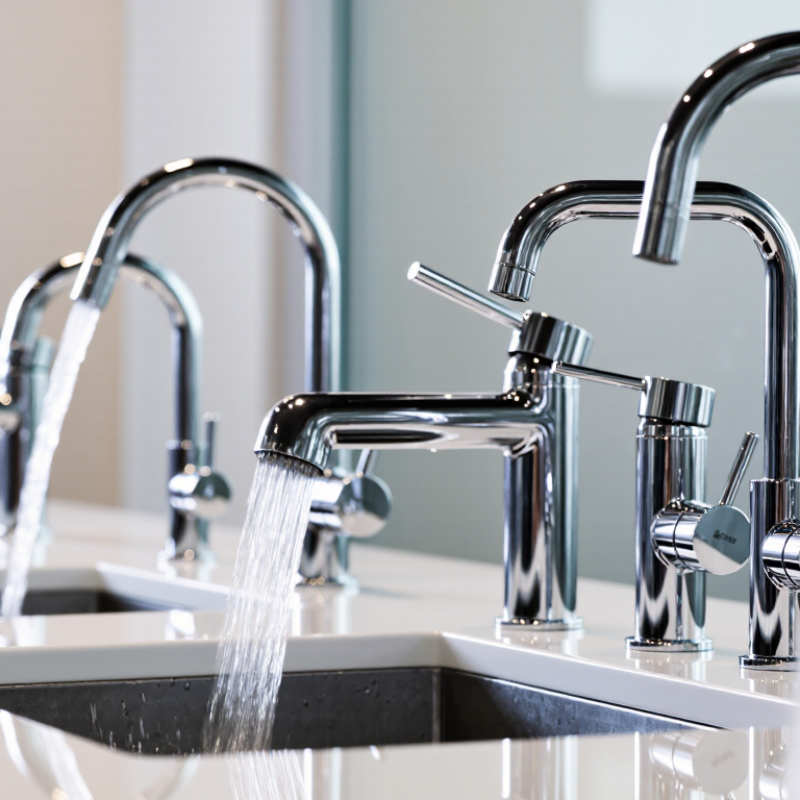
A water-saving aerated faucet uses a small fitting at the spout to mix air into the water stream. Tiny openings shape the flow, making it feel fuller and softer than a plain, reduced-flow stream. The air does not do the saving by itself. Lower water use comes from limiting the faucet’s flow rate, usually measured in litres per minute. That matters. A comfortable stream can make handwashing and rinsing feel less restricted, though results depend on water pressure and daily habits.
Look closely at the aerator, not just the faucet’s appearance. Its mesh and passages can collect mineral deposits, especially where water is hard, causing an uneven spray or slower flow. A removable insert is easier to clean. Check that the connection fits the spout and compare the stated flow rate under realistic pressure conditions. It is easy to assume that every aerated model saves the same amount; that is not quite right. Some streams feel too weak for filling a pot quickly, and users may leave the tap running longer. Testing comfort at the sink is a useful, imperfect check. A simple one.
How Aerators Reduce Water Use While Maintaining Flow
A faucet aerator fits at the outlet, where a small mesh screen shapes the water stream. It draws air into the flow, creating a fuller feel while using less water. At a sink, the stream should rinse soap from your hands without splashing across the counter. Small details matter.
The U.S. Environmental Protection Agency’s WaterSense program sets a maximum flow rate of 1.5 gallons per minute for labeled bathroom faucets. That is at least 30% below the 2.2-gallon-per-minute federal standard. The specification also requires performance testing, because lower flow alone does not guarantee a useful stream. Check the rating and test documentation when comparing aerated faucet options.
Aerators can reduce water use, but results depend on pressure, screen design, and maintenance. Mineral deposits may narrow the openings and make flow uneven. Not magic. A quick rinse or soak may help, though replacement is sometimes simpler. For suppliers, clear flow-rate data and consistent product testing are more useful than claims about “powerful” spray. I would still test the faucet at the pressure found in the intended building; a showroom sample cannot tell the whole story.
Key Criteria for Evaluating Faucet Suppliers in China
China Best Water Saving Aerated Faucets Suppliers?
Key Criteria for Evaluating Faucet Suppliers in China
Choosing a supplier takes more than comparing catalog prices. Ask how each faucet’s flow rate is measured and whether test conditions match your intended water pressure. A steady, comfortable stream matters as much as a low flow figure. Request a sample and check for splashing, uneven spray, and easy aerator removal. Test the details.
Review the faucet’s materials, finish, cartridge, and connection dimensions. Ask for product specifications and relevant quality test reports, then confirm that documents match the model being quoted. A supplier should explain production capacity, sample lead times, and how it checks batches for leaks or finish defects. Visit the factory if practical, or request a live video walkthrough. Small differences matter. Communication matters, too. Slow or vague answers during sampling may signal avoidable delays later, though one imperfect reply is not proof of poor production.
Tips: Send the same technical checklist to each supplier. Compare samples under similar pressure, and record flow, spray comfort, and visible finish flaws. Clarify packaging, warranty terms, and replacement-part availability in writing before placing an order.
China Best Water Saving Aerated Faucets Suppliers? - Key Criteria for Evaluating Faucet Suppliers in China
Suggested buyer scorecard. Weights and screening targets below are evaluation recommendations, not supplier-specific results or regulatory limits.
| Evaluation criterion | Suggested weight | Evidence to request | How to evaluate | Practical screening target |
|---|---|---|---|---|
| Verified water-saving performance | 20% | Recent flow-rate test reports for the exact faucet and aerator combination; test conditions and measurement method. | Compare measured flow with the intended market’s requirements and the buyer’s baseline, at stated water pressures. | Set a project-specific maximum flow rate and require test results at more than one pressure where relevant. Do not accept an unqualified “water-saving” claim. |
| Aerator quality and user experience | 15% | Aerator specifications, sample parts, cleaning instructions, and available replacement parts. | Inspect stream consistency, splash, clogging resistance, ease of cleaning, and compatibility with the faucet outlet. | Approve a production-representative sample; confirm the aerator model and mesh or insert configuration are recorded in the product specification. |
| Applicable standards and market compliance | 15% | Current certificates and test reports for the specific product, model, materials, and destination market. Relevant references may include China’s GB 25501-2019 for water-efficiency grades of water nozzles and, where applicable, NSF/ANSI/CAN 61 or NSF/ANSI 372 for drinking-water system components and lead content. | Check scope, model numbers, issuing laboratory or certification body, validity, and applicability to the destination market. Confirm requirements with the importer or regulator. | All required documents must match the offered model and intended market; verify documents independently where possible. |
| Product durability and leak control | 15% | Applicable endurance, pressure, leakage, and corrosion test reports; cartridge specifications and warranty terms. | Review test methods and sample identity; inspect cartridge operation, joints, finish, and performance after testing. | Agree on written pass/fail criteria before ordering and obtain results for the production model, not only a similar product. |
| Manufacturing quality system | 10% | Factory audit information, inspection procedures, traceability records, and any current ISO 9001 certificate. | Confirm the certificate covers the actual manufacturing site and relevant scope; review incoming, in-process, and final inspection controls. | Require documented lot or batch identification and a defined process for handling nonconforming products. |
| Material and finish consistency | 10% | Bill of materials, material declarations, finish specifications, and relevant material or coating test reports. | Compare documents and samples with the purchase specification; assess finish uniformity and corrosion resistance against agreed test criteria. | Freeze approved materials and finish samples in the contract or quality agreement; require approval before substitutions. |
| Sampling, inspection, and change control | 10% | Pre-production sample, inspection plan, defect classification, and written engineering-change procedure. | Confirm the approved sample represents mass production and that material, aerator, cartridge, or tooling changes require notification. | Agree on an inspection plan and defect acceptance criteria before production; conduct pre-shipment inspection for initial orders. |
| Delivery, packaging, and after-sales support | 5% | Written lead time, carton and packing details, spare-parts policy, warranty terms, and response process for claims. | Assess whether packaging protects the faucet in transit and whether replacement aerators and other service parts can be identified and reordered. | Document delivery milestones, packing requirements, warranty coverage, and a named service contact in the purchase terms. |
| Total suggested scorecard weight | 100% | Score each criterion against verified documents, samples, and inspection results. Confirm current legal and certification requirements for the destination market. | ||
How to Compare Chinese Aerated Faucet Manufacturers
When comparing Chinese aerated faucet manufacturers, test the same model under identical conditions. Ask for flow-rate results at stated inlet pressures, not a single attractive number. The US EPA WaterSense faucet specification sets a 1.5-gallon-per-minute limit for labeled bathroom sink faucets, about 30% below the federal 2.2-gallon-per-minute benchmark. This is a useful reference, not a universal requirement. Check whether a supplier’s report measures flow, spray consistency, and splash control, and whether it identifies the tested model.
Inspect a production sample, not only a polished catalogue unit. Look closely at the aerator screen, cartridge movement, plating around the spout, and the feel of the handle after repeated turns. Request material declarations, applicable market certifications, inspection records, and clear warranty terms. Compare lead times and minimum order quantities alongside quality controls; a low quote may exclude testing or packaging. Still, paperwork can look better than a sample. I would also ask how the factory handles failed batches, then verify the answer with dated records. A small point, but often revealing.
What to Verify Before Selecting a Supplier
China Best Water Saving Aerated Faucets Suppliers?
What to Verify Before Selecting a Supplier
An aerator can soften the stream, but appearance alone cannot confirm water savings. Ask for measured flow rates at stated water pressures, plus test reports for the exact faucet model. The U.S. EPA WaterSense specification sets a maximum bathroom-faucet flow of 1.5 gallons per minute, at least 30% below the conventional 2.2-gallon rate. Compare supplier figures with that benchmark, while checking whether the product is designed for your market and intended use. Small detail. Pressure matters.
Verify how the supplier checks consistency across production batches. Request records covering flow, leakage, spray pattern, and durability testing, not just a polished sample. Ask what materials contact drinking water and which independent standards or laboratory reports support those claims. EPA data can guide water-efficiency checks, but it does not verify a supplier’s factory quality or every product’s safety. Keep that distinction clear.
Then inspect the practical details: replacement aerator availability, installation dimensions, warranty terms, and response times for technical questions. A clear answer should include model-specific documents, not broad promises about “saving water.” If testing conditions are missing, ask for them in writing. I would also request a production sample; paperwork can look complete, while a loose thread or uneven stream tells another story.
FAQS
A small screen mixes air into the water stream. The flow can feel fuller while using less water.
No. The stream should still rinse soap without splashing across the counter. Not magic.
A common bathroom-faucet benchmark is 1.5 gallons per minute, about 30% below 2.2 gallons per minute. Check the exact model and test conditions.
Water pressure affects flow and spray consistency. Ask for results at stated pressures, not one attractive figure. Pressure matters.
Check the aerator screen, handle movement, spout finish, and stream pattern. A polished catalogue image can hide small flaws.
Request model-specific results for flow, leakage, spray consistency, and durability. Also ask how failed production batches are handled.
Yes. Deposits may narrow the screen openings and create an uneven stream. Rinsing or soaking may help; sometimes replacement is simpler.
Check replacement aerator availability, installation dimensions, warranty terms, lead times, and minimum order quantities. I would still test a production sample; paperwork can look complete while the stream disappoints.
Conclusion
Water Saving Aerated Faucets are designed to reduce water consumption by mixing air into the water stream, creating a steady, comfortable flow with less water. Understanding how aerators affect flow rate, spray quality, and everyday usability can help buyers choose products that balance efficiency and performance for homes, commercial spaces, or other applications.
When comparing faucet suppliers in China, consider product quality, materials, manufacturing capabilities, customization options, production capacity, and communication. Ask for clear specifications, samples, quality-control details, and information about testing and relevant product documentation. Before selecting a supplier, verify pricing, lead times, packaging, after-sales support, and the terms of any agreement. A careful evaluation helps buyers compare manufacturers consistently and identify a supplier that can meet their requirements reliably.

Blog Tags: