Design & Architecture Journal
Bathroom Insights & Trends
What Is the Best Anti Microbial Sanitaryware in China?
Table of Contents
- Define Antimicrobial Sanitaryware Through ISO 22196’s ≥99.9% Reduction Benchmark
- Compare Ceramic Bodies Using China’s GB 6952-2015 ≤0.5% Water-Absorption Limit
- Assess Silver-Ion, Copper-Ion, and Photocatalytic Technologies Against E. coli
- Rank Chinese Products by 24-Hour Antibacterial Data, Durability, and Compliance
- Choose the Best Model Using ISO 22196, GB 6952, Safety, and Lifecycle Cost
- FAQS
- Conclusion
- Related Posts
Choosing the best Anti-Microbial Sanitaryware in China requires more than comparing glossy surfaces or impressive claims. Buyers should examine material science, manufacturing experience, laboratory evidence, and long-term maintenance. A toilet, basin, or urinal may look spotless, yet microscopic contamination can remain around hinges, flush buttons, drains, and silicone joints.
Dr. Charles P. Gerba, a microbiologist known for studying household hygiene, has described the bathroom as “one of the dirtiest places in the home.” His observation gives this topic practical meaning. Effective Anti-Microbial Sanitaryware should support daily hygiene, not pretend to replace it. Products using silver-ion compounds, copper-based materials, or antimicrobial ceramic glazes may reduce microbial growth on treated surfaces. However, performance depends on formulation, surface coverage, cleaning chemicals, water quality, and usage conditions.
The strongest Chinese manufacturers combine controlled production with independent testing. Look for clear test methods, documented antimicrobial rates, surface durability data, and realistic application limits. Certifications and laboratory reports matter, but they do not tell the entire story. A product tested after short laboratory exposure may perform differently after years of scrubbing. That gap deserves attention.
Good sanitaryware also needs practical design. Smooth glaze, fewer crevices, concealed fixings, and easy-to-clean flush areas can reduce hygiene risks. The best choice is rarely the product with the loudest claim. It is the one supported by evidence, consistent manufacturing, and honest maintenance guidance. No surface is magically germ-free. That is the uncomfortable part.
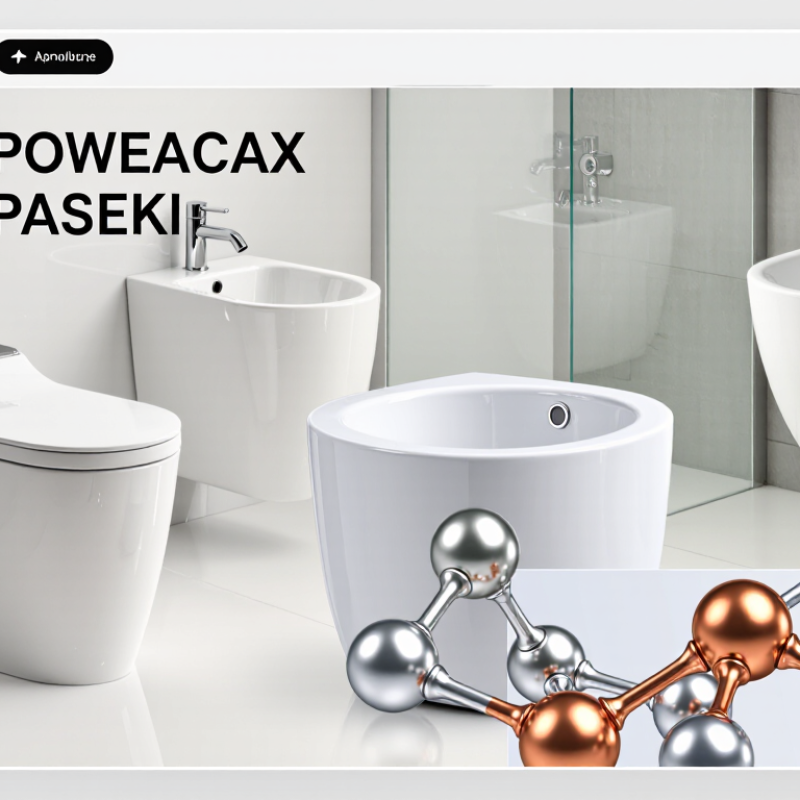
Define Antimicrobial Sanitaryware Through ISO 22196’s ≥99.9% Reduction Benchmark
What Is the Best Anti Microbial Sanitaryware in China?
Define Antimicrobial Sanitaryware Through ISO 22196’s ≥99.9% Reduction Benchmark
The answer begins with evidence, not a glossy surface or a dramatic product claim. Under ISO 22196, antimicrobial performance is measured by comparing bacterial recovery from treated and untreated surfaces. A ≥99.9% reduction represents a three-log decrease under defined laboratory conditions. That benchmark is meaningful. It is not magic.
For sanitaryware, the tested surface may include a ceramic glaze, polymer seat, flush button, or handle. Buyers should request the complete report, including bacterial strains, contact time, incubation temperature, and sample preparation. An accredited laboratory adds credibility, while traceable production records support consistency between samples and finished units. Ask whether abrasion, detergents, and repeated cleaning were considered. Real bathrooms are wet, touched often, and cleaned imperfectly.
The best option is therefore the one with verified performance and suitable construction, not merely the highest percentage. ISO 22196 does not prove complete infection prevention, self-cleaning action, or permanent protection. That distinction matters. A coating can test well and still fail after wear, poor installation, or neglected cleaning. Procurement teams should treat ≥99.9% as a measured reference point, then examine durability and maintenance evidence. Some reports remain technically correct but practically thin. That is where careful questions matter.
Compare Ceramic Bodies Using China’s GB 6952-2015 ≤0.5% Water-Absorption Limit
What Is the Best Anti Microbial Sanitaryware in China?
When comparing ceramic sanitaryware in China, GB 6952-2015 offers a practical technical reference. Its ≤0.5% water-absorption limit is especially important for vitreous ceramic bodies. Lower absorption means fewer open pores can retain moisture, soil, and organic residue. That supports easier cleaning, but it does not prove antimicrobial performance by itself.
Ask for a current test report from an accredited laboratory. Check the product category, sample number, firing condition, and actual absorption result. A reliable comparison should use samples from normal production, not only carefully selected showroom pieces. In practical inspections, I would also examine glaze continuity around the rim, trapway, mounting holes, and underside. Small unglazed areas can hold residue.
Look beyond the percentage. Antimicrobial claims need separate evidence, such as tests against specified microorganisms and clear contact conditions. A ceramic body below 0.5% may still perform poorly if the glaze cracks, the surface scratches, or drainage leaves standing water. That part is often overlooked. Cleaning chemicals and hard brushes can also change surface performance over time. I would avoid treating one laboratory result as permanent proof. Batch variation, test preparation, and installation quality deserve another review before purchasing.
Assess Silver-Ion, Copper-Ion, and Photocatalytic Technologies Against E. coli
What Is the Best Anti Microbial Sanitaryware in China?
A practical comparison should test silver-ion, copper-ion, and photocatalytic surfaces against E. coli. Silver-ion technology is commonly integrated into ceramic glazes or surface treatments. Silver ions can disrupt bacterial membranes and interfere with cell metabolism. Performance depends on ion distribution, coating durability, and repeated cleaning. A shiny surface is not proof of protection.
Copper-ion surfaces use copper compounds or copper-containing materials to damage bacterial cells. They may perform well on frequently touched areas, such as flush buttons and handles. However, hard water, acidic cleaners, and scratches can change the surface over time. Copper release also requires controlled testing. More copper does not automatically mean better hygiene.
Photocatalytic technology often uses titanium dioxide activated by light. Under suitable light, it can create reactive species that damage E. coli and reduce organic residues. Bathroom lighting may be too weak for some formulations. This is an important weakness. In Chinese bathrooms, humidity, soap film, and mineral deposits can block the active surface. A laboratory result may not match daily use.
Reliable buyers should request independent test data, including bacterial reduction, contact time, aging cycles, and cleaning resistance. Testing should use realistic ceramic samples, not only fresh coating panels. The method should identify the E. coli strain and clearly state the test conditions. Antimicrobial sanitaryware still needs regular cleaning and proper ventilation. No coating is perfect. A careful comparison may find that durability matters more than the highest initial reduction rate.
Rank Chinese Products by 24-Hour Antibacterial Data, Durability, and Compliance
What Is the Best Anti Microbial Sanitaryware in China?
The strongest Chinese sanitaryware should be ranked by verified 24-hour results, durability, and compliance. ISO 22196:2011 measures antibacterial activity after 24 hours. A 2-log reduction represents 99% fewer bacteria, while 3-log represents 99.9%. These results usually cover Escherichia coli and Staphylococcus aureus. However, a glossy claim is not laboratory evidence.
Rank one should go to vitreous china with a tested antibacterial glaze and an independent ISO 22196 report. Its dense surface also supports lower water absorption under ISO 13006 testing.
Rank two is standard vitreous china with documented chemical resistance and repeated cleaning tests, but weaker antibacterial data.
Rank three includes products showing only “antibacterial” wording without organism names, contact time, or test conditions.
Compliance still matters. China’s GB 6952-2015 standard covers sanitary ceramic performance, including dimensions, surface quality, and functional requirements. Buyers should request batch-level records, glaze composition details, and factory quality certificates. Look for resistance against common acidic and alkaline cleaners, not only water exposure.
Real purchasing experience reveals an uncomfortable gap. Some products test well after 24 hours but lose surface performance after harsh cleaning. Others have durable glaze but no credible antimicrobial report. The data is incomplete. A better ranking should include post-abrasion testing, thermal shock results, and production-batch verification before installation.
Choose the Best Model Using ISO 22196, GB 6952, Safety, and Lifecycle Cost
What Is the Best Anti Microbial Sanitaryware in China?
The best model is not simply the one with the highest antibacterial claim. ISO 22196 measures antibacterial activity on non-porous surfaces under controlled laboratory conditions. Its result is commonly expressed as an antibacterial activity value, R. However, ISO 22196 does not define one universal pass mark for every sanitaryware application. A strong report should identify the tested organism, contact time, surface condition, and laboratory accreditation. I would also request a report showing whether the glazed surface was tested after cleaning or abrasion. Real bathrooms are less perfect.
GB 6952 should be checked separately. It covers key requirements for ceramic sanitaryware, including appearance, dimensions, water absorption, and structural performance. It is not an antimicrobial certification. Safety also means stable glazing, reliable installation points, smooth edges, and tested flushing performance. A product can show good laboratory antibacterial data yet fail through poor mounting or damaged glaze. That detail is often overlooked.
Lifecycle cost changes the purchasing decision. Calculate the purchase price, installation, water use, cleaning chemicals, repairs, and replacement risk. The WHO and UNICEF Joint Monitoring Programme reported that 3.5 billion people lacked safely managed sanitation in 2022. Hygiene infrastructure matters, but one fixture cannot solve every sanitation problem. Compare test evidence with daily maintenance needs. A slightly higher initial cost may be reasonable if the surface stays intact longer and uses less water. Still, claims without abrasion data deserve caution. Ask for evidence, not promises.
FAQS
It means a three-log bacterial reduction under defined laboratory conditions. It is not magic. It does not guarantee complete infection prevention or permanent protection.
Testing may cover ceramic glaze, polymer seats, flush buttons, or handles. The tested surface should match the finished product. Fresh coating panels can mislead buyers.
Request the complete ISO 22196 report, including bacterial strains, contact time, temperature, and sample preparation. Ask for laboratory accreditation and traceable production records. Some reports remain technically correct but practically thin.
Silver-ion surfaces can disrupt bacterial membranes and cell metabolism. Copper-ion surfaces may suit frequently touched handles and buttons. Photocatalytic surfaces need suitable light to work effectively. The bathroom may be too dim.
No technology wins automatically. Performance depends on coating distribution, durability, light, cleaning, and surface condition. Independent testing should compare realistic ceramic samples. A shiny surface proves little.
Rank products by verified 24-hour results, durability, and compliance evidence. A three-log reduction equals approximately 99.9% fewer bacteria. A two-log reduction equals approximately 99% fewer bacteria. Percentages alone are insufficient.
ISO 22196 evaluates antibacterial activity after defined contact periods. ISO 13006 can support assessment of dense ceramic construction and water absorption. GB 6952-2015 covers important sanitary ceramic performance requirements. Check the actual test scope.
Harsh cleaners, abrasion, scratches, hard water, and mineral deposits can reduce surface performance. Request repeated-cleaning and post-abrasion data. Laboratory results may not match daily bathroom conditions. Maintenance still matters.
Choose verified performance with durable construction and clear maintenance evidence. Check batch records, chemical resistance, thermal shock results, and installation quality. No coating is perfect. The ranking may change after deeper testing.
Conclusion
Choosing the best Anti-Microbial Sanitaryware in China requires more than comparing surface claims. A reliable evaluation should begin with ISO 22196, using its benchmark of at least 99.9% bacterial reduction after testing. Ceramic quality is equally important, so products should be checked against China’s GB 6952-2015 requirement of no more than 0.5% water absorption. Low absorption helps reduce moisture retention and supports long-term hygiene, durability, and easier maintenance.
Different technologies, including silver-ion, copper-ion, and photocatalytic treatments, should be assessed through consistent testing against bacteria such as E. coli. The strongest products combine verified 24-hour antibacterial performance with durable ceramic bodies, safe material use, and documented compliance. Buyers should also consider coating stability, cleaning requirements, expected service life, and total lifecycle cost rather than relying only on the initial purchase price. Ultimately, the best model is the one that demonstrates measurable antibacterial results, meets both ISO 22196 and GB 6952 standards, provides dependable daily performance, and offers balanced long-term value.

Blog Tags: