QUEO Luxury Bathroom — Design Journal & Articles

Design & Architecture Journal

Bathroom Insights & Trends

0%

Choosing Freestanding Wellness Bathtubs in 2026 requires more than admiring a sculptural silhouette. A beautiful tub can still feel uncomfortable, waste water, or create installation problems. This guide explores practical choices through the lens of daily use, bathroom design, and long-term reliability. It considers bathing depth, internal shape, heat retention, surface texture, cleaning access, and compatibility with existing plumbing. Small details matter. A smooth overflow cover can be more valuable than an impressive photograph.

Real-world experience should guide the decision. Measure the doorway, floor area, and plumbing position before comparing finishes. Sit in a showroom model when possible, because dimensions on a specification sheet cannot reveal shoulder support or awkward angles. Check manufacturer documentation for load limits, insulation details, warranty coverage, and required floor strength. Independent reviews can add useful context, but they should be compared carefully. Marketing language is not proof.

The best choice also reflects responsible design. Look for durable materials, repairable components, sensible water capacity, and slip-conscious surfaces. Confirm that the installation follows local plumbing and electrical requirements. A qualified professional should assess drainage, ventilation, and structural support before delivery. Some premium features may sound persuasive, yet they may add maintenance without improving everyday comfort. That is easy to overlook.

There is no perfect bathtub. Personal comfort, room size, budget, and bathing habits must stay central. This 2026 guide will help readers question attractive claims, compare evidence, and select a wellness bathtub that performs beautifully beyond the first photograph.
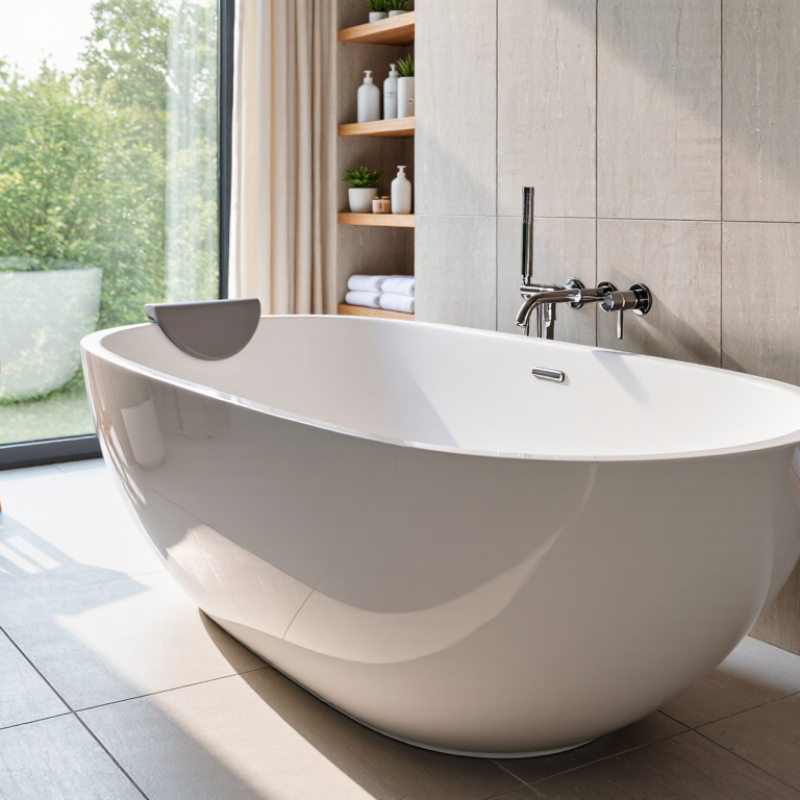
2026 How to Choose Freestanding Wellness Bathtubs

Define Your Wellness Goals and Available Bathroom Space

Choosing a freestanding wellness bathtub starts with your wellness goals, not its appearance. Do you want quiet soaking after work, gentle stretching, or a deeper bathing ritual? A compact tub may suit relaxation, while a longer model can support more comfortable reclining. Think about who will use it. Children, older adults, and taller users may need different depths and entry heights.

Measure the bathroom carefully before shopping. Record the wall-to-wall width, door clearance, and distance from nearby fixtures. Leave enough space to walk around the tub safely. Check the floor structure, drain position, and water supply with a qualified installer. A beautiful tub becomes frustrating when the door cannot open fully. I once underestimated delivery access, and the tub could not pass a narrow hallway. That mistake was avoidable.

Tips: Mark the tub’s footprint with painter’s tape. Stand inside the outline and test your movement. Keep towels within easy reach. Allow ventilation, especially in a small bathroom. Review the tub’s filled weight, not only its empty weight. Some choices look perfect on paper but feel cramped in practice. Also, do not ignore maintenance. Smooth surfaces are easier to clean, yet deep contours may hold more water. A short test in a showroom can reveal comfort issues that measurements miss.

Compare Freestanding Bathtub Materials, Shapes, and Sizes

When comparing freestanding wellness bathtubs, start with material, not the photograph. The 2024 Houzz U.S. Bathroom Trends Study surveyed 1,561 homeowners, showing why renovation preferences need real-world evidence. Acrylic is light, warm to touch, and easier to carry upstairs. Cast iron holds heat well. It also demands careful floor-load checking. Stone resin feels substantial, but delivery and installation become expensive quickly. Fiberglass can cost less, yet thin shells may flex.

Shape changes how the room works. Oval tubs soften hard tile lines, while rectangular models suit wall-aligned plumbing. Slipper designs support the back, but their raised end can reduce usable bathing length. Measure the bather, not only the room. Common lengths run from about 55 to 72 inches, with widths near 30 to 40 inches. Leave clear access around the rim and confirm the drain location before ordering. A 60-inch tub may look compact online. In a narrow room, it can dominate circulation.

No choice is perfect. The National Kitchen & Bath Association’s 2024 Design Trends Report reflects professional input, but trends cannot replace structural assessment. Ask a licensed plumber to verify waste connections, overflow protection, and hot-water capacity. Check the tested load, installation instructions, and warranty terms. I would not choose stone resin solely for its spa-like appearance. It may feel luxurious, yet a weak floor or awkward service access creates daily frustration. The best fit is sometimes less dramatic.

2026 How to Choose Freestanding Wellness Bathtubs

Compare freestanding bathtub materials, shapes, and sizes to find a practical fit for your bathroom.

Acrylic

Lightweight, smooth, warm to the touch, and commonly available in many shapes. It is a practical choice for upper-floor bathrooms.

Stone Resin

Dense and stable with a solid feel and good heat retention. Check floor loading and delivery access before installation.

Cast Iron

Extremely durable with strong heat retention, but substantially heavier than acrylic or composite alternatives.

Copper

A distinctive natural metal option that develops a changing patina and requires suitable cleaning and maintenance.

The chart shows representative planning dimensions in centimeters for common residential freestanding bathtub shapes. Always confirm the manufacturer’s exact exterior dimensions, interior bathing space, water capacity, and floor-load requirements before purchasing.

Evaluate Comfort, Ergonomics, Heating, and Hydrotherapy Features

2026 How to Choose Freestanding Wellness Bathtubs

Choosing a freestanding wellness bathtub begins with your body, not its silhouette. Sit in the tub before purchasing whenever possible. Your shoulders should relax, and your lower back should receive firm support. A polished surface means little if your knees rise uncomfortably. Check the rim height, inner length, and step-over distance. These details affect daily use, especially for older users or anyone with limited mobility. I once preferred a deeper model, but climbing out felt less secure than expected. That changed my priorities.

Heating deserves practical scrutiny. Ask how quickly the water warms and how evenly heat is maintained. Controls should remain easy to reach. A built-in heater may extend bathing time, but it can increase energy use and maintenance needs. Hydrotherapy jets should provide controlled pressure, not painful force. Test their positions against your back, calves, and feet. More jets are not automatically better. Noise matters too. A peaceful bath loses value when the pump sounds harsh. Review cleaning access, filtration details, and service procedures in the technical documents.

Tips: Measure doorways, bathroom clearance, and floor strength before ordering. Leave space to bend, clean, and dry safely. Choose textured footing and a stable handhold when balance is a concern. Have electrical components professionally installed and protected from water. Request written warranty terms, temperature limits, and replacement-part availability. Small omissions can become expensive. Recheck your assumptions after a real test, because showroom comfort may not match a twenty-minute bath at home.

Check Installation Requirements, Plumbing Access, and Maintenance Needs

2026 How to Choose Freestanding Wellness Bathtubs

Choosing a freestanding wellness bathtub in 2026 requires more than measuring its silhouette. Installation conditions often decide whether the tub feels luxurious or becomes an expensive obstacle. Confirm the finished floor is level, waterproofed, and strong enough for the filled tub and user. That weight is easy to underestimate. Check doorway widths, stair turns, and the final position before delivery. A tub that looks perfect online may not pass through a narrow hallway.

Plumbing access deserves equal attention. Ask a licensed plumber to verify the drain location, trap, water supply, and shutoff access. Some freestanding designs hide connections beneath the base, leaving little room for repairs. Others need a nearby access panel. Do not seal the perimeter until leaks have been tested. That small delay can prevent damaged flooring and difficult removal. Sketch the service route on the floor, even if it feels overly cautious.

Maintenance needs vary with shape, surface, and bathing habits. Wide rims collect water, hair, and cleaning residue more readily than many buyers expect. Choose smooth internal contours and reachable drain hardware.

Ask how the finish tolerates the recommended cleaner; harsh products can dull some surfaces. Leave enough space around the tub for wiping the floor and inspecting connections. Honestly, this clearance may reduce the dramatic look. It can make everyday ownership much easier. Think about access before aesthetics wins.

Balance Quality, Safety, Warranty, and Long-Term Value

Choosing a freestanding wellness bathtub in 2026 requires more than admiring its sculptural shape. The CDC reports that over three million older adults receive emergency treatment for fall injuries annually. I therefore check the tub’s stability, floor clearance, entry height, and slip-resistant surface before judging its massage features. A small wobble matters.

Safety should feel practical.

CPSC guidance recommends setting household water heaters near 120°F to reduce scald risks. Choose precise temperature controls, a reliable overflow, and accessible shutoff points. The 2021 AARP Home and Community Preferences Survey found that 77% of adults aged 50 and older prefer staying in their homes. That supports selecting a tub that remains usable as mobility changes, not only one that looks impressive today.

Quality appears in the unseen details. Inspect the drain assembly, reinforced base, surface repair options, and cleaning access. Review the warranty for labor coverage, finish damage, pumps, and replacement parts. Industry guidance from the National Kitchen & Bath Association consistently emphasizes coordinated planning and professional installation for complex bathroom upgrades. I would still question vague warranty language. Premium pricing can hide inconvenient exclusions. Long-term value comes from safe daily use, serviceable components, and dependable support—not from extra jets alone.

2026 How to Choose Freestanding Wellness Bathtubs - Balance Quality, Safety, Warranty, and Long-Term Value
Evaluation Dimension Recommended Benchmark Why It Matters Evidence to Request Weight Score
1–5
Construction Material Select a clearly specified material, such as reinforced acrylic, enameled cast iron, or mineral composite. For acrylic, confirm the reinforcement method and finished thickness. Material affects weight, heat retention, scratch resistance, repairability, and installation requirements. Material specification, cross-section details, care instructions, and repair guidance. 15% ____
Structural Stability The base should sit level without rocking, and the installation method should provide continuous support appropriate to the floor and tub design. Movement can stress the drain connection, create leaks, damage flooring, and reduce user safety. Installation manual, base design, leveling instructions, and required subfloor preparation. 12% ____
Water Capacity and Floor Load Compare the stated usable capacity in litres or gallons. Calculate total load as tub weight + water weight + user weight; 1 litre of water weighs approximately 1 kilogram. A full bathtub can impose a significant concentrated load, especially on upper floors or suspended timber floors. Empty tub weight, filled capacity, installation drawings, and confirmation from a qualified building professional when required. 12% ____
Slip and Entry Safety Prefer a stable entry height, secure footing, rounded accessible edges, and a bathing surface supported by documented slip-resistance testing where available. Wet surfaces increase fall risk. Entry comfort and balance are particularly important for older adults and users with limited mobility. Slip-test information, product dimensions, installation clearance, and compatibility with grab bars or other approved aids. 14% ____
Drain, Overflow, and Plumbing Compatibility Verify drain location, waste size, overflow arrangement, trap access, and compatibility with local plumbing requirements before purchase. A visually suitable tub may still require costly floor alteration or may not be approved for the intended installation. Technical drawing, plumbing rough-in dimensions, overflow details, and local code confirmation from a licensed installer. 12% ____
Thermal Comfort and Insulation Look for documented insulation or heat-retention features rather than relying only on marketing language. Compare wall construction and heat-loss information when available. Better heat retention can improve bathing comfort and reduce the need to add hot water during a long soak. Wall construction, insulation description, test conditions, and any stated temperature-retention data. 8% ____
Surface Finish and Maintenance Choose a smooth, non-porous, easy-to-clean finish with clearly stated cleaning limitations. Avoid products requiring abrasive pads or harsh chemicals. Appropriate maintenance helps preserve gloss, hygiene, stain resistance, and appearance over time. Care and cleaning guide, stain-removal instructions, repair kit availability, and replacement-part information. 8% ____
Warranty Coverage Assess shell, finish, drain components, and accessories separately. A longer warranty is valuable only when exclusions, labor coverage, and claim procedures are clear. Warranty terms influence repair cost and indicate how much post-purchase support is available. Full warranty document, duration by component, exclusions, labor terms, proof-of-purchase rules, and claims process. 10% ____
Installation and Serviceability Confirm delivery access, required installers, service access to the drain, and the availability of replaceable fittings. Difficult access can increase installation cost and make future leak or drain repairs more disruptive. Delivery dimensions, access-panel requirements, installation labor estimate, spare-parts list, and service instructions. 5% ____
Long-Term Value Compare purchase price plus delivery, installation, plumbing changes, maintenance, expected repairs, and useful service life. The lowest initial price may not produce the lowest ownership cost or the best experience over time. Written total project estimate, maintenance requirements, parts pricing, warranty terms, and expected replacement timeline for service items. 4% ____
Weighted Total Score 100% ____ / 5.00
Scoring guide: 1 = unacceptable or undocumented; 2 = below requirements; 3 = acceptable; 4 = strong evidence and good fit; 5 = excellent evidence, safety, support, and value. Confirm structural capacity, plumbing compliance, electrical requirements, and accessibility needs with qualified local professionals before installation.

FAQS

How should I choose the right bathtub size?

Start with your body and bathroom space. A compact tub suits quiet soaking, while a longer model supports reclining. Mark the floor with painter’s tape and test your movement.

What bathroom measurements matter before ordering?

Measure wall-to-wall width, door clearance, fixture spacing, and walking space. Check doorway widths and stair turns. A tub must pass through every route.

How can I test comfort properly?

Sit inside the tub before purchasing. Your shoulders should relax, and your lower back should feel supported. Check knee position, rim height, inner length, and step-over distance.

What features help users with limited mobility?

Choose a manageable step-over height, textured footing, and a stable handhold. Older users may need easier entry. A deeper tub is not always safer.

What should I check about heating features?

Ask how quickly the water warms and how evenly it stays warm. Controls should be easy to reach. Heating can extend bathing time, but energy use may increase.

Are more hydrotherapy jets always better?

No. Jet positions and pressure matter more than quantity. Test the pressure on your back, calves, and feet. Harsh pump noise can disturb a peaceful bath.

What installation conditions should be confirmed?

Check that the floor is level, waterproofed, and strong enough for the filled tub. Include the user’s weight. This detail is easy to underestimate.

How can I avoid plumbing and leak problems?

Ask a qualified plumber to verify the drain, trap, water supply, and shutoff access. Test for leaks before sealing the tub perimeter. That short delay may prevent damaged flooring.

What maintenance details deserve attention?

Look for smooth contours and reachable drain hardware. Wide rims can collect water, hair, and residue. Confirm the cleaner is safe for the surface.

How much clearance should remain around the tub?

Leave room to walk, bend, clean, dry the floor, and inspect connections. More clearance may reduce the dramatic appearance. It usually improves daily ownership.

Conclusion

Choosing the right Freestanding Wellness Bathtubs begins with understanding your personal wellness goals and the space available in your bathroom. Consider whether you want a tub for relaxation, muscle recovery, stress relief, or everyday comfort, then measure the room carefully to determine the most suitable size and placement. Compare materials, shapes, and depths based on durability, appearance, heat retention, and ease of cleaning. A well-designed tub should also provide comfortable support, practical ergonomics, and enough room to recline safely.

Before making a purchase, review heating and hydrotherapy options, while confirming that the electrical and water requirements suit your home. Check plumbing access, floor strength, drainage, ventilation, and future maintenance needs to avoid installation difficulties. Finally, evaluate product quality, safety features, warranty coverage, and expected lifespan rather than focusing only on the initial price. A thoughtful balance of comfort, performance, reliability, and long-term value will help you select a freestanding wellness bathtub that enhances your bathroom and supports a more enjoyable bathing routine.

Oliver Mason

Oliver Mason

Oliver Mason is a professional marketing specialist with a strong understanding of product strategy, customer needs, and market trends. As a regular contributor to our company website, he shares practical and informative blog articles that help readers better understand our solutions, industry......